
HB
Hair Bud
Posted 243 days ago
•
Education
•
PRP Therapy for Hair Restoration and Hair Loss: Natural Regeneration for Healthier Hair
1,247 views
48 comments
86 likes
+42
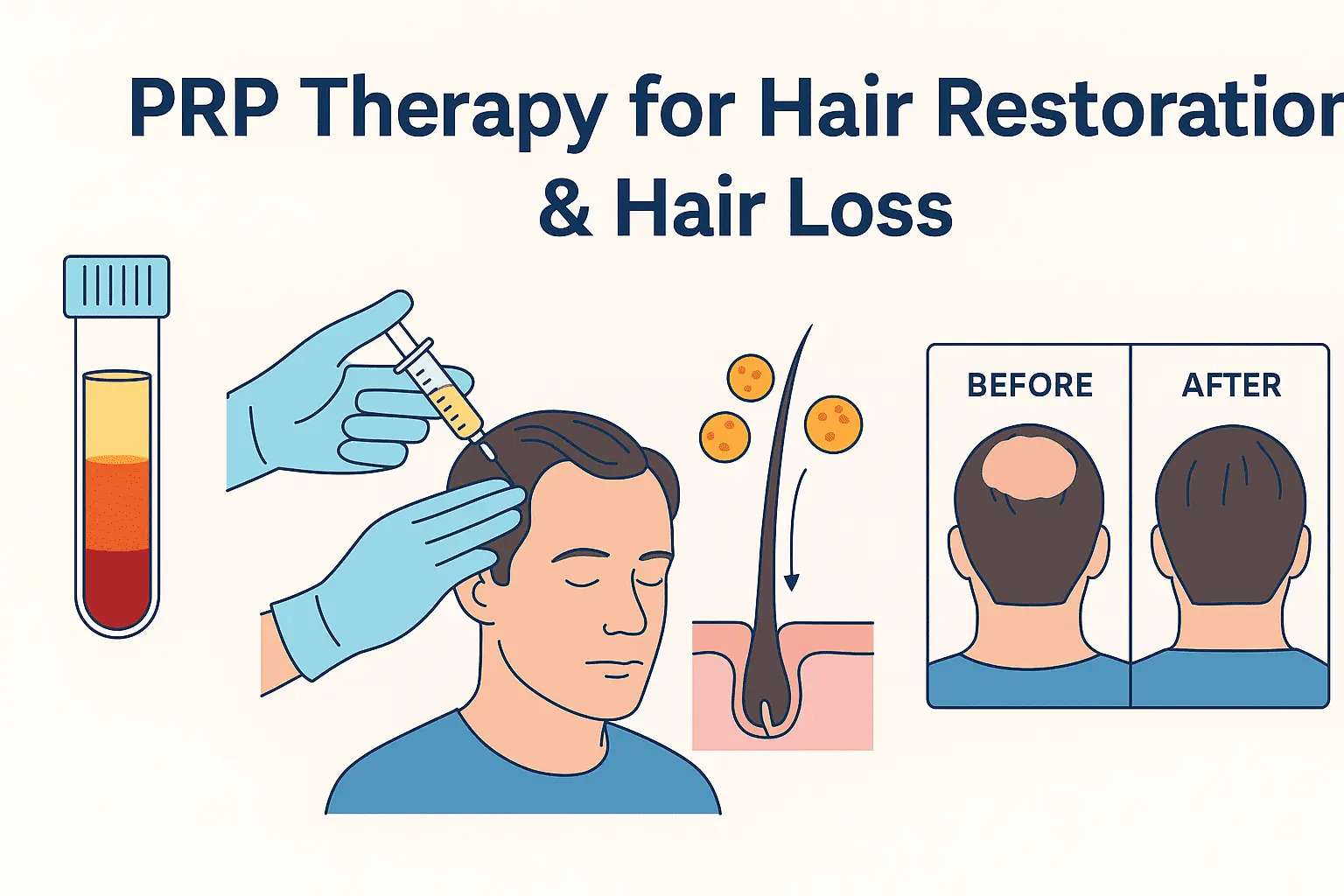
Understanding PRP Therapy
Platelet-Rich Plasma (PRP) therapy is a cutting-edge regenerative treatment that uses your own blood’s natural healing properties to stimulate hair growth and reduce hair loss. Originally developed for wound healing and sports medicine, PRP has become one of the most trusted, non-surgical solutions for patients experiencing thinning hair.
The Concept Behind PRP Treatment
Your blood contains red cells, white cells, plasma, and platelets. The platelets are rich in growth factors-natural proteins that help heal tissues, stimulate collagen production, and promote cell renewal.
When these platelets are concentrated and injected into your scalp, they rejuvenate inactive hair follicles, encourage new growth, and strengthen existing strands.
PRP Therapy for Hair Loss Treatment: Why It Works
Hair loss can occur due to genetics, stress, hormonal imbalance, or aging. In all these cases, follicle miniaturization is a major factor - hair roots become weaker and thinner over time.
PRP therapy directly addresses this by restoring follicular function and improving scalp health, providing the right environment for hair to regrow naturally.
Reactivating Dormant Hair Follicles
The growth factors in PRP signal your dormant follicles to re-enter the active growth (anagen) phase, increasing hair density and thickness.
Improving Blood Circulation and Nutrient Delivery
PRP injections enhance microcirculation in the scalp, improving the supply of oxygen, nutrients, and stem cells that support stronger, healthier hair.
PRP Therapy for Hair Restoration
Beyond reducing hair loss, PRP therapy actively restores and revitalizes the scalp. It stimulates collagen formation, improves tissue repair, and strengthens existing follicles, resulting in denser, shinier, and more resilient hair.
Strengthening Existing Hair
By rejuvenating hair roots, PRP therapy prevents breakage, reduces hair fall, and enhances the natural texture and shine of your hair.
Enhancing Transplant Results
Many leading clinics integrate PRP therapy with hair transplant procedures to:
- Boost graft survival rate.
- Reduce redness and swelling post-surgery.
- Accelerate healing and stimulate early regrowth.
Step-by-Step PRP Procedure Explained
Step 1 - Blood Draw and Separation
A small amount of your blood is drawn and placed into a centrifuge machine, which spins it to isolate platelet-rich plasma from other components.
Step 2 - Injection Process
The extracted PRP is carefully injected into thinning or balding areas using ultra-fine needles. This process is quick, precise, and nearly painless with topical anesthesia.
Step 3 - Healing and Growth Activation
After injection, PRP begins to work beneath the skin, repairing tissues and reactivating hair follicles. Over the next few weeks, new, stronger hair starts to emerge.
Key Benefits of PRP Therapy for Hair Restoration
Non-Surgical and Natural
PRP therapy uses your body’s own plasma, ensuring zero risk of allergy or rejection.
Effective for Both Men and Women
It’s an excellent solution for male and female pattern baldness, stress-induced shedding, or postpartum hair loss.
Minimal Downtime and Quick Recovery
Most patients can resume normal activities immediately after treatment. It’s a perfect lunchtime procedure with visible results in a few months.
Why PRP Is the Preferred First Step
It’s ideal for individuals who want to avoid surgery and prefer natural, regenerative treatment before moving to more invasive solutions.
Who Is the Ideal Candidate for PRP Therapy?
PRP works best for:
- Men and women with early-stage hair thinning
- Patients noticing gradual hair loss or reduced volume
- Those seeking a preventive approach before baldness advances
However, PRP is not effective for complete baldness or areas without active follicles.
Post-PRP Care and Results Timeline
When to Expect New Hair Growth
- Week 1-2: Reduced shedding and scalp rejuvenation.
- Month 2-3: Visible increase in density and volume.
- Month 4-6: Stronger, thicker strands and healthier scalp.
Maintenance sessions every 6-12 months help sustain long-term results.
Frequently Asked Questions
Q1: How many PRP sessions are needed for hair loss?
Typically 3-4 initial sessions, spaced 3-6 weeks apart.
Q2: Is PRP therapy painful?
Mild discomfort may occur, but numbing cream makes it very tolerable.
Q3: Can PRP therapy stop hair loss permanently?
PRP significantly reduces shedding and thickens hair, but maintenance is key for ongoing benefits.
Q4: Can PRP be combined with hair transplant surgery?
Yes, combining PRP with a transplant enhances healing and graft survival.
Q5: Are there any side effects?
Minor redness or tenderness at injection sites may occur and subside within 24-48 hours.
Q6: When can I wash my hair after PRP therapy?
Wait at least 24 hours post-procedure before washing your hair.
Conclusion: Revitalize Your Hair with PRP Therapy
Whether you’re experiencing early hair thinning or seeking to restore lost density, PRP therapy for hair loss and hair restoration offers a natural, safe, and effective path to thicker, healthier hair.
This non-surgical approach harnesses your body’s innate healing power-making it one of the most advanced and trusted hair rejuvenation solutions available today.
If you’re ready to regain confidence and revitalize your hair, schedule your consultation with our hair restoration specialists today.